


















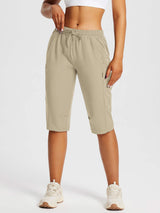
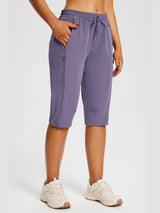
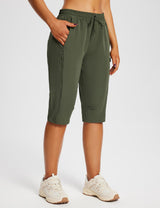
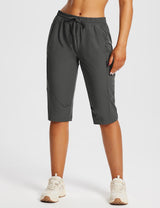






























- 1
2 3 - …
12 -
>
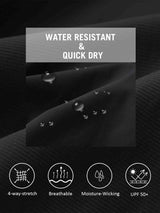
clothes requires attention to fabric technology and fit. Cotton absorbs sweat and retains moisture, leading to chafing and rapid body temperature drops in windy conditions. Synthetic blends like polyester and nylon pull moisture away from the skin, allowing it to evaporate rapidly. This moisture-wicking capability proves crucial for temperature regulation. For summer treks, prioritizing hiking pants for hot weather ensures breathability and sun protection. Lightweight materials prevent overheating, while articulated knees and gusseted crotches provide the full range of motion needed for scrambling over rocks or navigating steep inclines.
Top Picks for Your Next Outdoor Gear
Finding reliable gear requires matching specific features to your planned terrain and climate. Below are standout options designed for optimal performance on the trail.
-
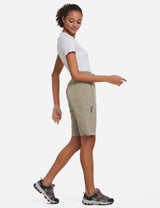
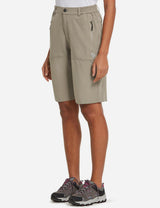
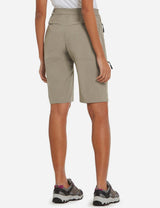
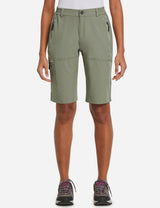
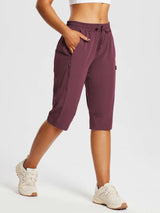
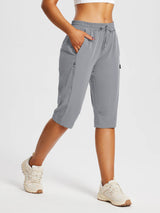
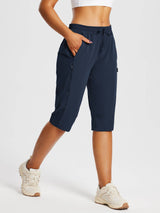
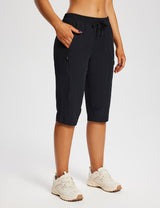
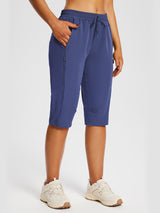
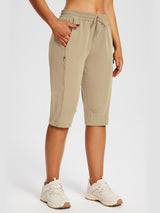
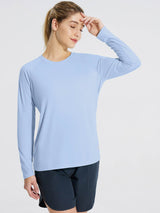
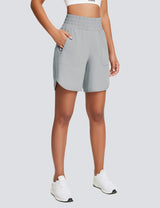
Women's 9" Quick-Dry Hiking Bermuda Shorts offer a comfortable mid-thigh length that prevents chafing during long walks. The lightweight fabric breathes exceptionally well, keeping you cool while providing ample pocket space for small trail necessities.
-
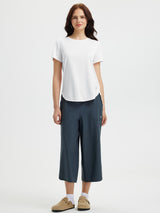
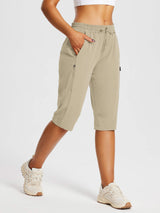
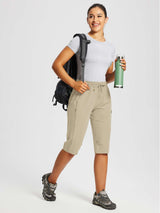
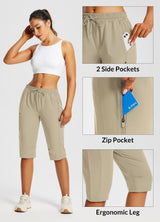
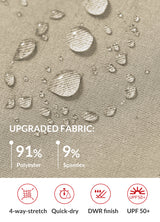
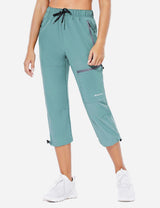
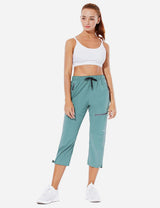
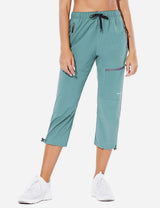
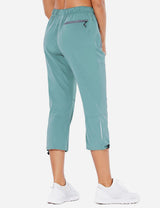
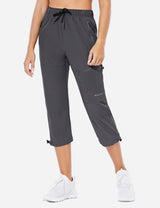
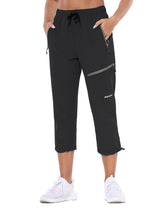
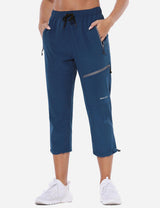
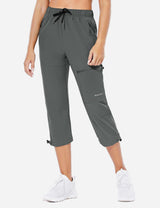
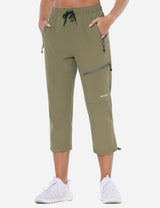
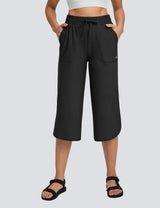
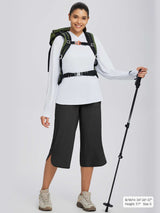
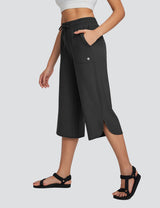
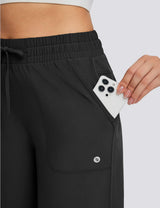
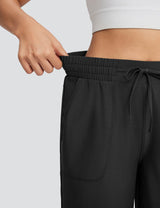
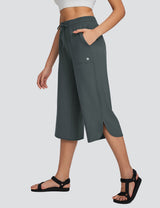
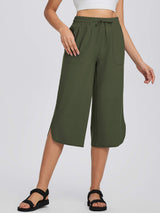
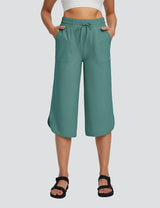
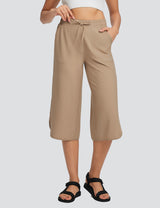
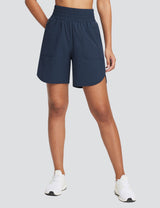
Women's 20" UPF 50+ Wide-Leg Quick-Dry Running Capris provide excellent calf coverage and built-in sun protection for exposed routes. Their relaxed fit promotes airflow, making them an ideal choice for maintaining comfort during intense afternoon heat.
-
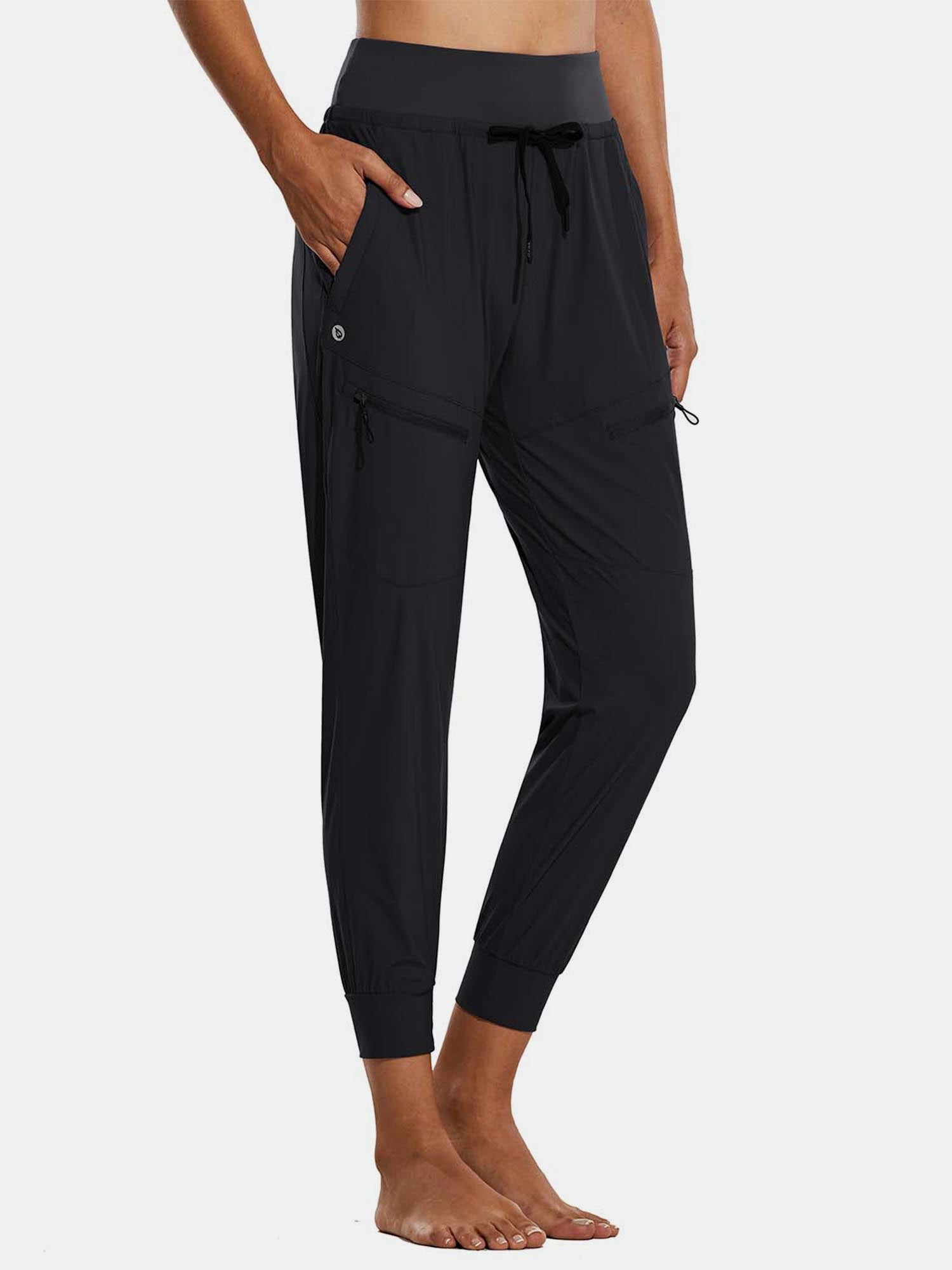
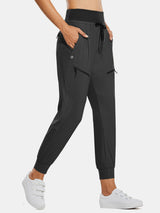
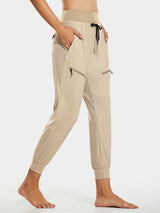
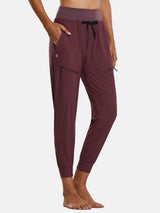
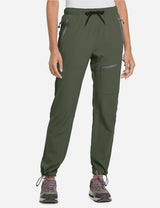
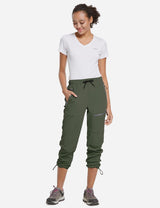
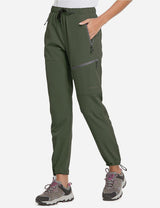
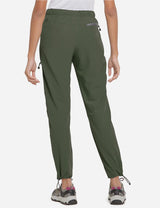
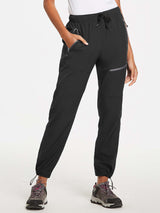
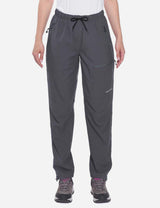
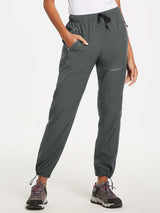
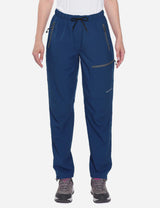
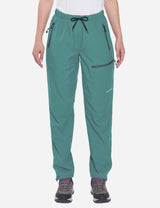
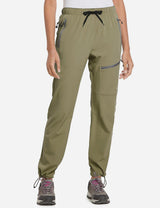
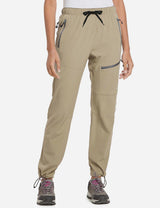
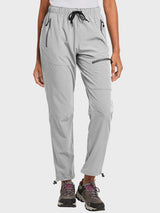
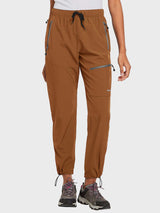
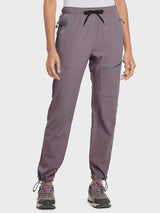
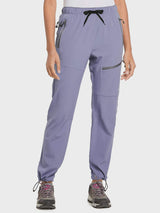
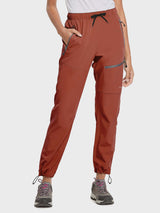
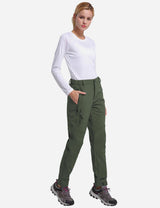
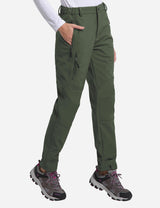
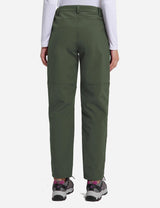
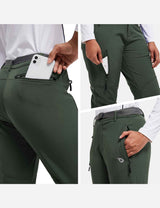
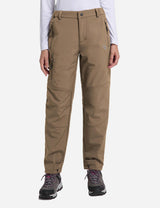
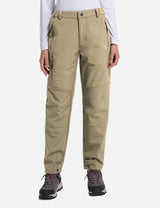
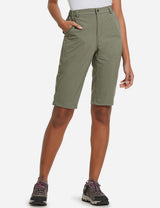
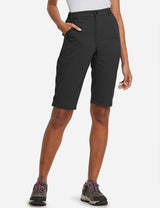
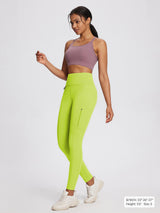
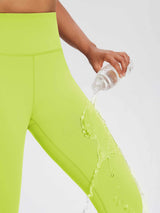
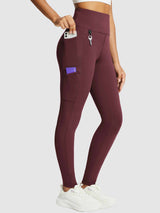
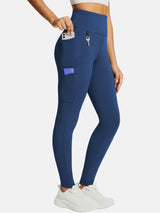
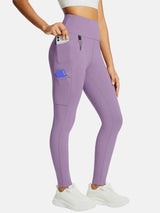
Women's Tall Quick-Dry Hiking Cargo Pants deliver full leg protection against brush and insects without causing overheating. The durable, moisture-wicking material stretches with your movements, and multiple secure pockets keep your map and snacks easily accessible.